Pop Up Gazebos vs. Fabric Carports: Selecting the Right Outdoor Shelter for Commercial Use
Outdoor commercial environments demand shading structures that balance functionality, durability, and cost. Pop up gazebos and fabric carports represent two distinct categories within this space, each engineered for different operational requirements. Understanding where they diverge helps procurement managers and business owners avoid costly mismatches between product capability and actual use case.
Deployment Model: Temporary Versus Semi-Permanent
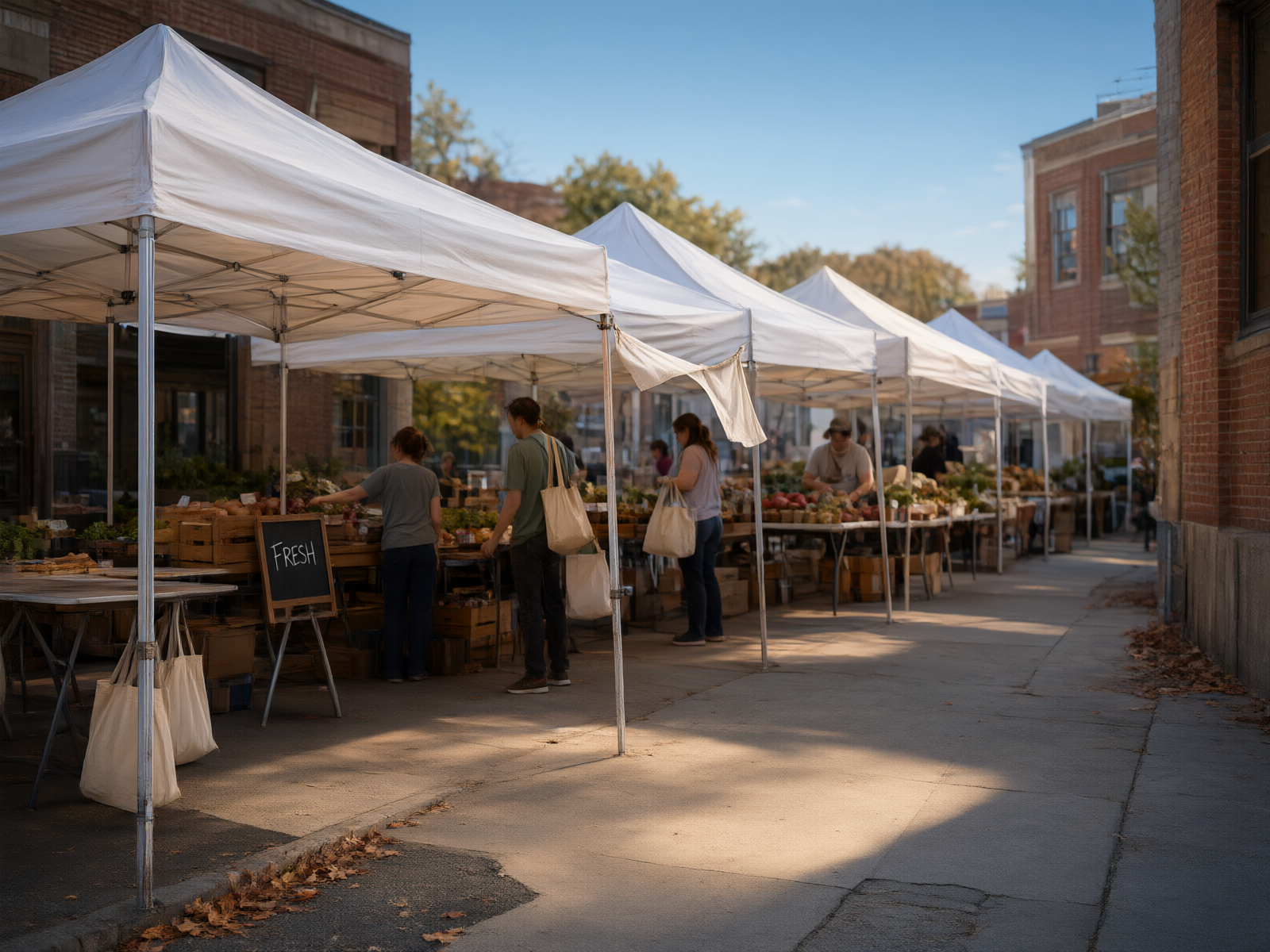
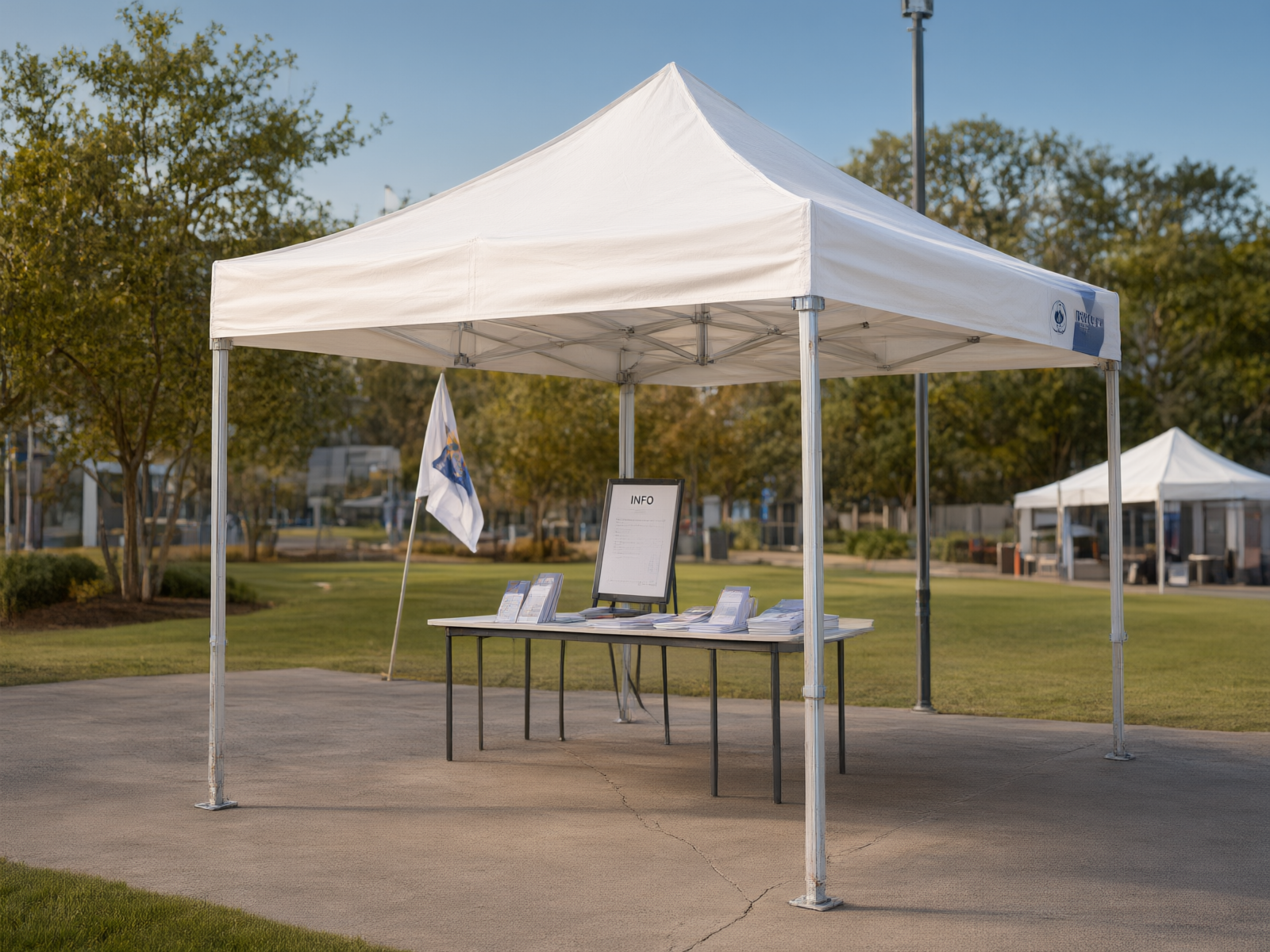
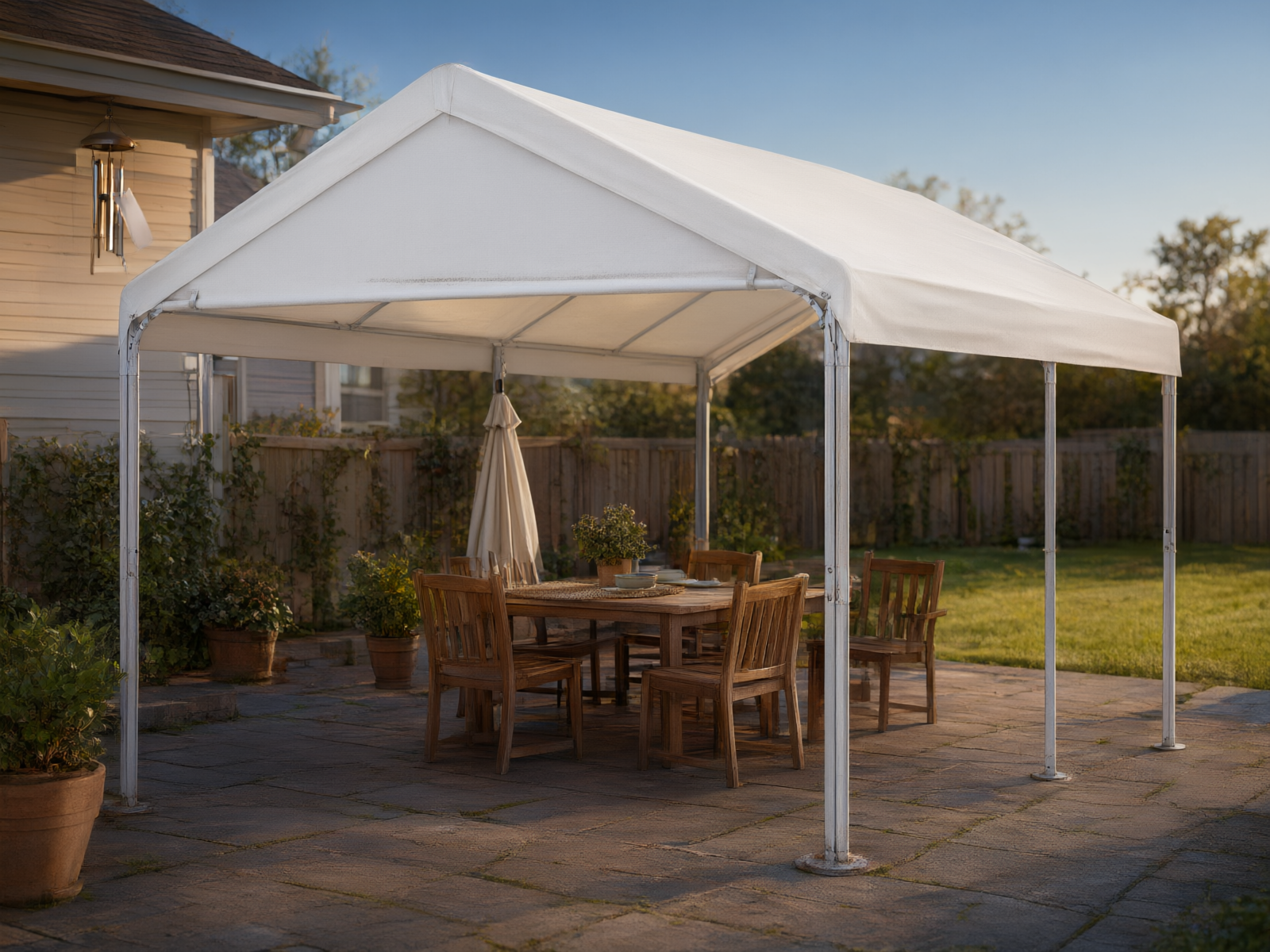
Pop up gazebos are built for mobility. Their foldable frame systems allow full assembly in under five minutes by two people without tools. This makes them the default choice for scenarios where setup frequency is high and duration is short: weekend farmers markets, outdoor promotional activations, trade show booths, and seasonal festival stalls. When a restaurant needs extra covered seating only during summer months, a pop up gazebo can be deployed and removed as the calendar demands.
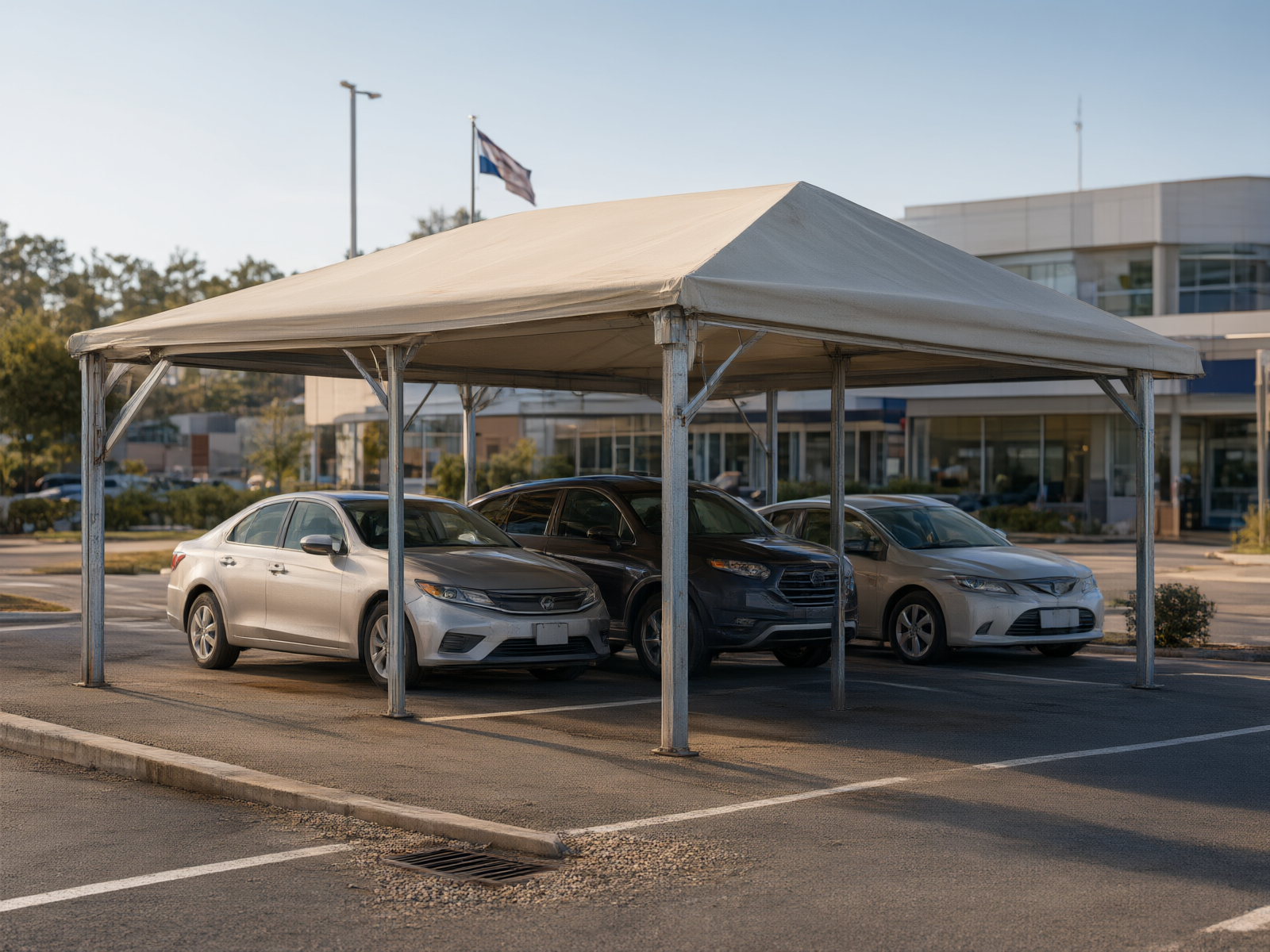
Fabric carports follow a fundamentally different logic. They are engineered for semi-permanent installation, anchored to the ground and left in place for extended periods. Their primary function is continuous protection: shielding vehicles in dealership lots, covering equipment at construction staging areas, or providing permanent shade for outdoor dining zones that operate year-round. The structural framing is heavier, the fabric covers are tensioned for wind resistance, and the installation process requires professional assembly with anchoring hardware.
Cost-Effectiveness Over the Lifecycle
The purchase price of a single pop up gazebo is lower than that of a fabric carport. This comparison becomes misleading when the usage timeline extends beyond a few months. A pop up gazebo subjected to continuous outdoor exposure, including UV radiation and wind loading, typically requires fabric replacement within two to three seasons. A fabric carport, designed for permanence, uses heavier-gauge steel framing and UV-stabilized membrane fabrics rated for five or more years of continuous service.
For a commercial operator running a 12-week summer promotion, the pop up gazebo delivers clear cost advantages. For a vehicle dealership needing permanent lot coverage across 20 parking bays, the fabric carport's per-year cost is substantially lower despite higher initial investment. The decision point is straightforward: match the product lifespan to the intended duration of use.
Manufacturing Considerations for Bulk Buyers
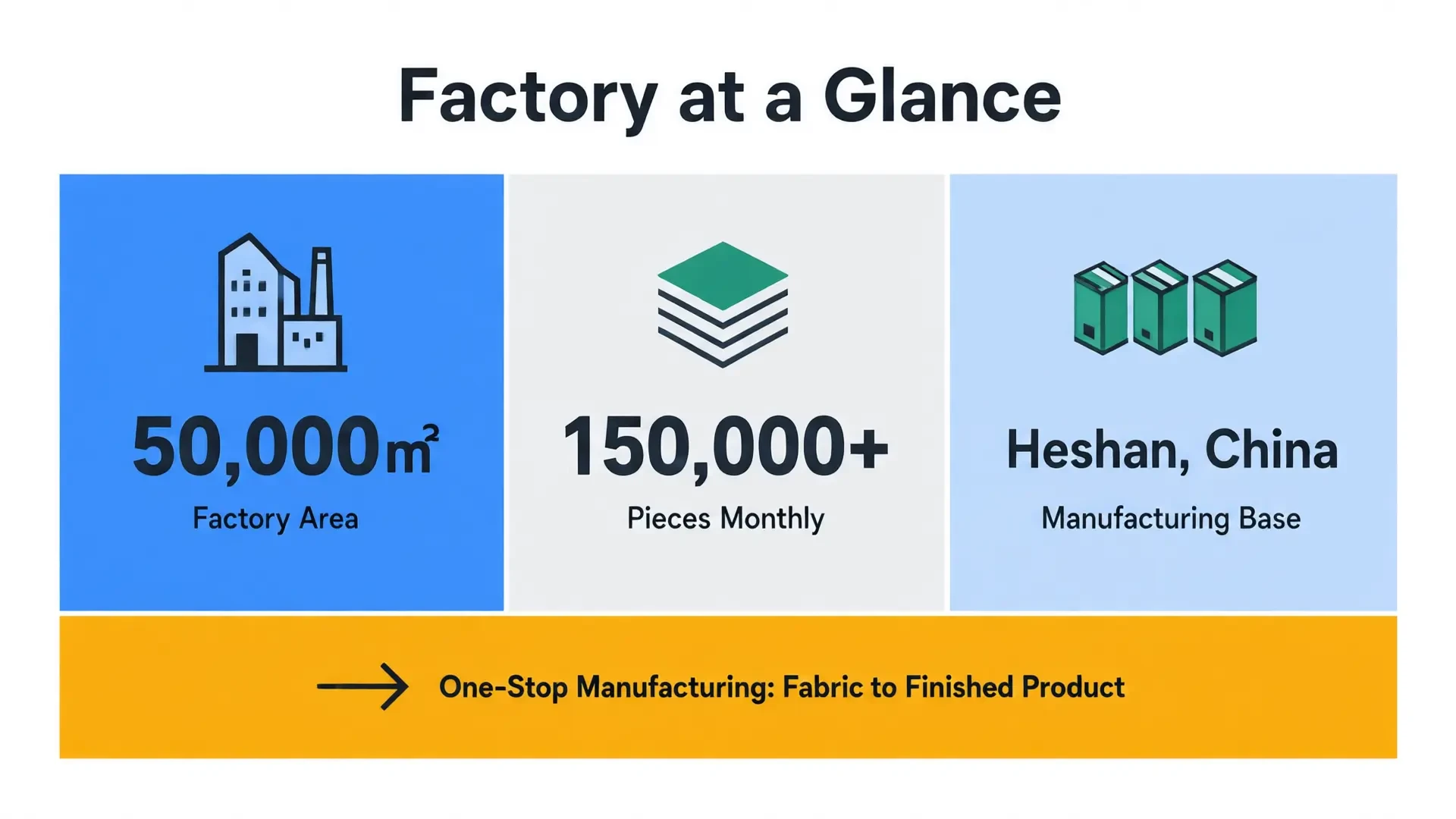
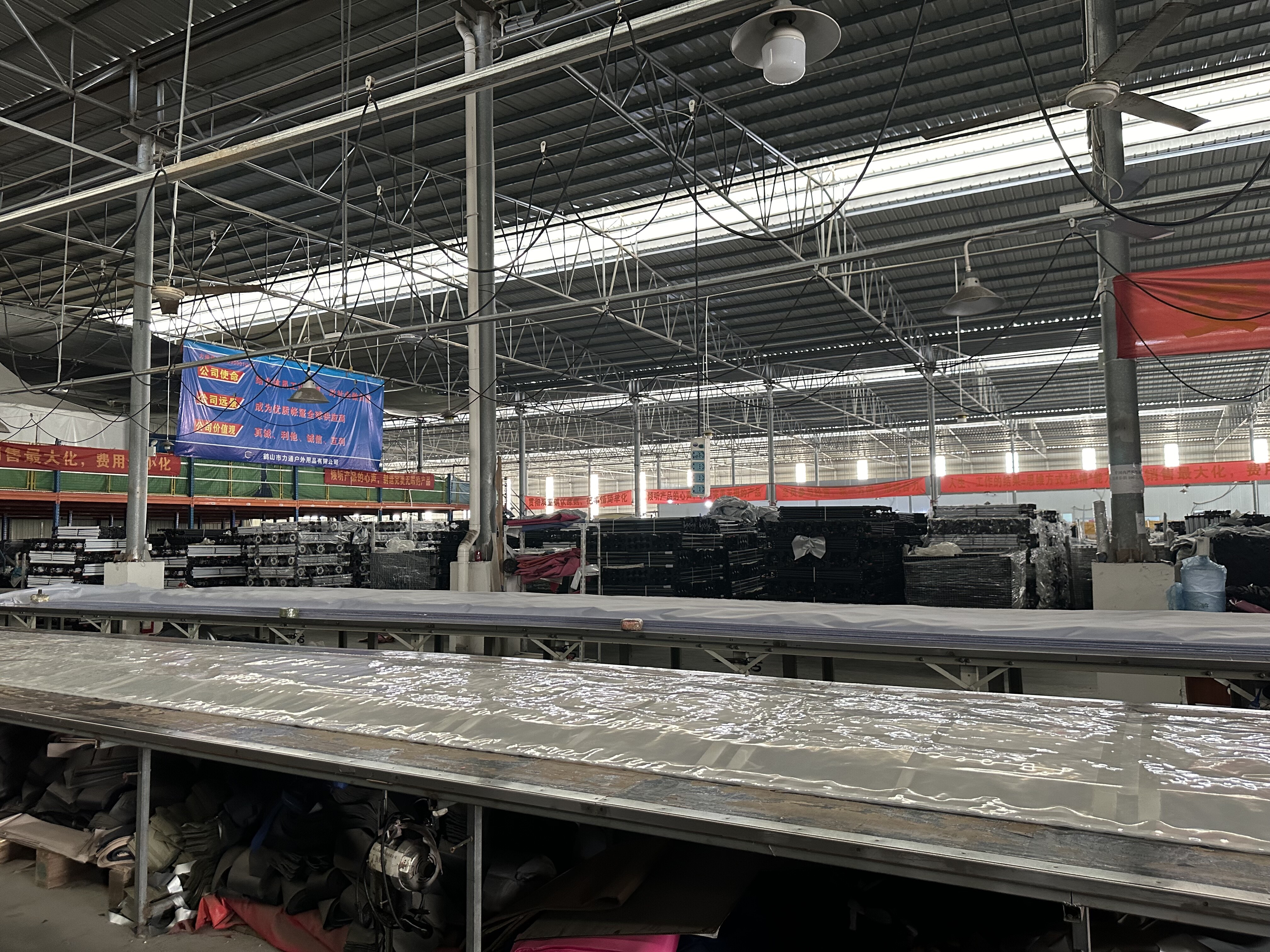
Both product categories demand rigorous quality control. At Litooutdoor, we manufacture pop up gazebos and fabric carports within a single 50,000㎡ facility, controlling every stage from raw fabric selection through cutting, sewing, printing, and final assembly. Our monthly capacity exceeds 150,000 pieces, and every unit undergoes inspection to AQL 2.5/4.0 standards before shipment. OEM and ODM customization, including frame dimensions, fabric colors, and branded printing, is available across both categories.
The selection between pop up gazebos and fabric carports is not a question of which product is superior. It is a question of matching structural capability to operational requirements: deployment frequency, intended lifespan, and total cost of ownership. Buyers who define these parameters before requesting quotes will consistently arrive at the correct specification.
Need Custom Outdoor Shading Products?
Contact us for OEM/ODM manufacturing with full customization capabilities.
Get a Quote